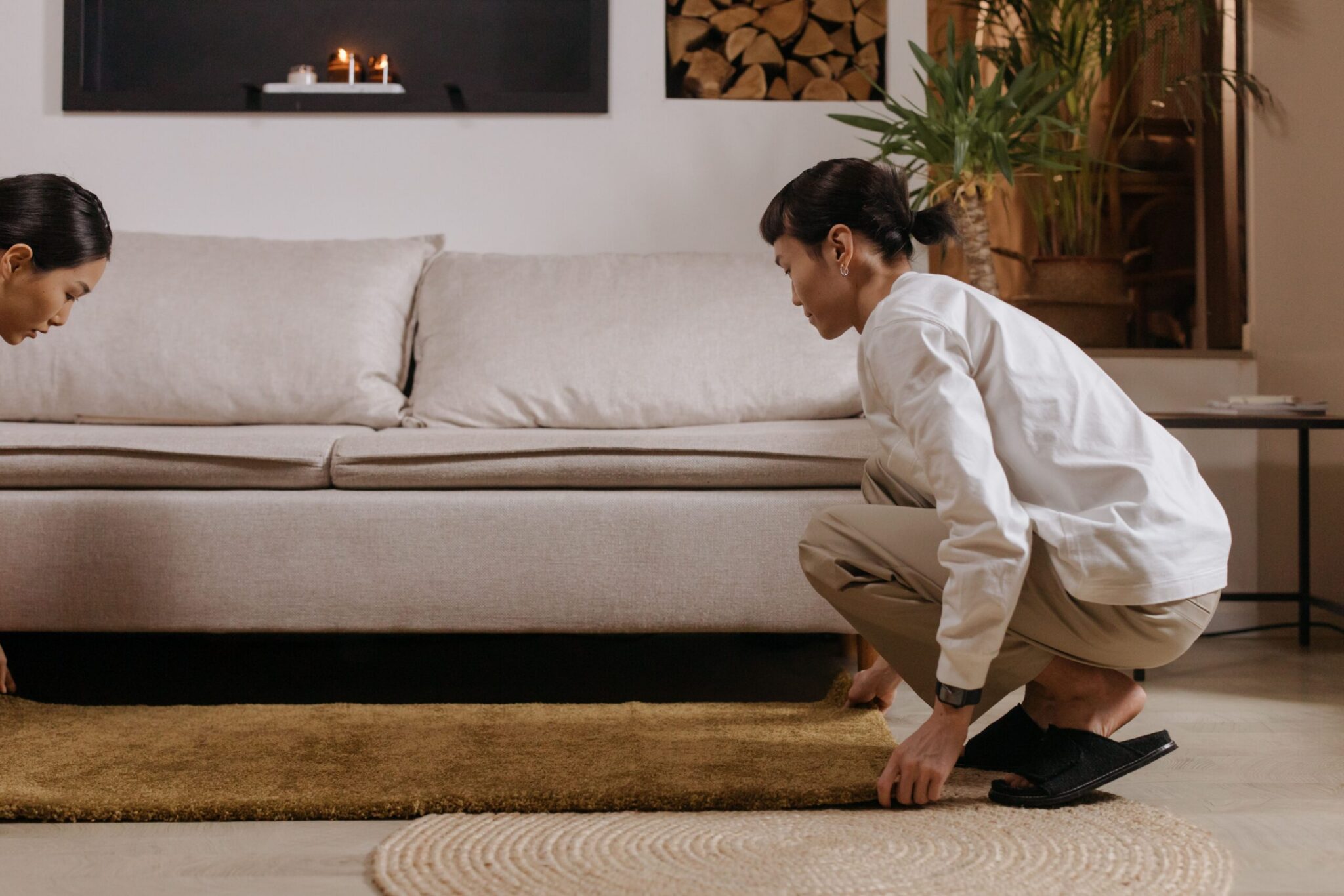
Here is how to get stains out of carpet: blot up as much as you can, work in cool water and a few drops of mild dish soap, blot again, then rinse with plain water and dry the spot under a weighted towel. The rinse is the step most people skip, and it is why many stains come back.
Somebody knocks a glass off the coffee table during the game. Grape juice, red sauce, a muddy paw print on the way in from the yard. Every carpet in Lancaster and Columbus collects a few of these, and the first five minutes decide most of the outcome. Grab the wrong bottle, scrub too hard or flood the spot with hot water, and a stain that would have lifted becomes one that will not.
This guide is general home care guidance for carpet stain removal. It covers one method that works on most spills, a quick guide for each stain type, the reason stains reappear after they seemed to be gone, the mistakes that make things worse, and an honest look at when a stain is permanent. Test anything you use on a hidden spot first, like inside a closet or under a sofa, and wait a few minutes to check for color change before you treat the stain itself.
What is the universal method for removing stains from carpet?
Most household stains respond to the same five steps. Start here before you reach for anything stronger.
- Blot. Press a clean white cloth or paper towel onto the spill and lift straight up. Repeat with fresh sections of the cloth until almost nothing transfers. Scrape up solids first with a spoon or a dull knife.
- Apply cool water. Dampen the spot lightly with cool water from a spray bottle or a cloth. Cool water keeps protein stains from setting and keeps the spill from spreading through the fibers faster.
- Add mild soap. Mix a few drops of clear, dye free dish soap into a cup of cool water. Dab it onto the stain, working from the outside edge toward the center so the stain does not grow, and blot again.
- Rinse with plain water. Dab clean, cool water onto the area and blot it out. Repeat two or three times. This removes the soap you just added, and it matters more than most people think.
- Dry under weight. Fold a thick stack of paper towels or a white towel, set it on the spot, and put something heavy on top, like a stack of books or a pot. Leave it for several hours and swap the towels when they get damp.
That last step does real work. As the carpet dries, moisture moves up from the backing toward the surface, and the weighted towel catches whatever stain comes with it. Without the towel, that leftover color dries on the tips of the fibers where you can see it.
If you want to see this method applied to one of the most common spills, our guide on how to get coffee stains out of carpet walks through it step by step.
Why does rinsing matter so much in carpet stain removal?
Soap does not disappear when the stain does. Any cleaner left in the carpet stays slightly sticky after it dries, and sticky fibers hold on to the dirt from every pair of socks and shoes that crosses them. A few weeks later, the spot you cleaned looks darker and dingier than the carpet around it.
That is why a little soap and a lot of rinsing beats a lot of soap and a quick blot. If the spot feels stiff or tacky after it dries, there is residue left in it. Go back with plain cool water, blot it out, and dry it under weight again.
This same idea shapes how Downey Clean cleans whole rooms. In Downey Clean’s experience, steam cleaning alone cannot remove all the residue, so every carpet cleaning we do ends with a clear water rinse. More on that below.
How do you remove each type of carpet stain?
Stains fall into a few families, and each family behaves a little differently. Start with the universal method, then use the notes below for the stain in front of you.
Water based and sugary stains: coffee, wine, juice and soda
These are the most forgiving if you act quickly. Blot hard and early, then use cool water and mild soap. Sugar left behind is sticky and draws dirt, so rinse these spots more than you think you need to.
Coffee and tea contain tannins that can leave a tan ring, and red wine and red juices carry strong color. For those, a few extra rounds of blotting with cool water before the soap goes a long way. Coffee spills are common enough that we wrote a separate walkthrough for the coffee stain removal steps homeowners ask us about most.
Protein stains: blood, vomit and milk
Use cool water only. Heat cooks protein into the fibers and can make these stains permanent. Scrape up any solids, blot, then treat with cool water and mild soap.
A store bought enzyme cleaner labeled safe for carpet can help break down what soap leaves behind. Follow the label, test it first, and rinse with plain water afterward.
Oily stains: grease, cooking oil and makeup
Water alone beads up on oil. Sprinkle baking soda or cornstarch over the spot, let it sit for 15 to 20 minutes to absorb the oil, then vacuum it up. Follow with the mild dish soap mix, since dish soap is made to cut grease, and rinse well.
Foundation, lipstick and other makeup act like grease stains with color added. Lift as much as you can with the absorbent powder before any liquid touches them.
Dye stains: red drink mixes, hair dye and food coloring
These are the hardest. Dye is designed to bond with fibers, and carpet fiber is very good at taking it. Blot immediately with cool water and mild soap, and keep blotting as long as color is still transferring to the cloth.
Be honest with yourself here. If the color stops moving, more scrubbing will not help and may damage the fibers. Many dye stains lighten but do not fully come out.
Solids and sticky stains: candle wax, gum and mud
Let these firm up before you touch them. Hold a bag of ice on gum or wax until it hardens, then gently break and scrape it off. For leftover wax, lay a paper towel over the spot and press with a warm iron on a low setting so the wax melts into the towel, moving to a clean section often. Our guide on getting candle wax out of carpet covers colored wax and how to avoid melting the fibers.
Mud is the one stain where waiting helps. Let it dry completely, break it up, and vacuum thoroughly. Then treat any remaining shadow with the universal method. In central Ohio, spring mud and winter slush tracked in on boots make this one a regular around the front door.
Why do stains come back after cleaning?
You cleaned the spot, it looked gone, and two days later a brown ring or a faint shadow shows up in the same place. It is a frustrating thing to see, and it almost always has one of two causes.
The first is wicking. When a spill soaks deep, part of it reaches the carpet backing or the pad underneath. Surface cleaning lifts what is on top, but the rest stays below. As the area dries, moisture travels up the fibers toward the air and carries the leftover stain with it, depositing it on the tips where you see it. The fix is less water during treatment, more blotting, and that weighted towel during drying so the towel catches the stain instead of the fibers.
The second is residue. Soap, spot cleaner or shampoo left in the carpet dries sticky and pulls in dirt from foot traffic. The spot did not come back. A new, dirtier spot formed on top of the old soap. Spots that turn gray or darker than the surrounding carpet over a few weeks are usually residue.
Both causes point to the same answer: rinse thoroughly and pull the water back out. That is the reason behind the Downey Double Clean, which is Clean, Scrub, Rinse. In Downey Clean’s experience, steam cleaning alone cannot remove all the residue, so every carpet cleaning ends with a clear water rinse from a High Flow Extractor. Rinsing the cleaning agent out, and extracting it, is what keeps a treated spot from turning into a dirt magnet.
What carpet stain removal mistakes make stains worse?
A few habits turn a removable stain into a permanent one. Avoid these:
- Hot water. Heat sets protein stains like blood, milk and vomit and can set some dyes too.
- Rubbing or scrubbing. Rubbing pushes the stain deeper, spreads it wider and untwists carpet fibers, leaving a fuzzy patch that looks worn even after the color is gone.
- Too much soap. More soap means more residue to rinse out, and residue brings the spot back as a dirty patch.
- Mixing products. Never mix cleaning products. Some combinations release harmful fumes, and layering spot cleaners also makes it much harder for anyone, including a professional, to treat the spot later.
- Bleach. Bleach does not remove stains from carpet. It removes the carpet’s color, and that damage cannot be cleaned out.
- Hydrogen peroxide and harsh solvents. Both can lighten or strip carpet color, especially on darker carpet. If you try them, test a hidden spot first and accept the risk.
- Soaking the spot. Flooding a stain drives it into the pad and sets up wicking later.
When is a carpet stain permanent?
Not every stain can be removed, and it is better to know that before you spend an afternoon scrubbing. Many stains come out. Results depend on how long the stain has been there and whether it has become permanent.
Stains are most likely to stay when the dye has bonded with the fiber, when heat has set a protein stain, or when the stain has sat for weeks or months. Old stains that have been treated with several products over time can be harder too, because the residue layers over the stain.
Some marks are not stains at all. Bleach spots, color stripped by peroxide or a harsh cleaner, and sun fading near windows are color loss. No cleaning method can put the original color back. A spot that looks lighter than the carpet around it, rather than darker, usually falls into this group.
When should you call a professional for carpet stains?
Call a professional when a stain is large, when it keeps coming back after you clean it, when it has been there for a while, or when the whole room looks tired and the stain is just the worst part of it. It also makes sense when you are not sure what the stain is, since the wrong product can make it permanent.
Here is what a residential carpet cleaning visit from Downey Clean looks like:
- Inspection and Evaluation. The technician walks through, finds problem areas and chooses the treatment for each stain.
- Preconditioning and Spot Treatment. A specialty cleaning agent is applied, with each stain getting the treatment chosen during inspection.
- Agitation. A counter rotating brush machine scrubs the carpet and lifts the fibers.
- Extraction. A clear water rinse with a High Flow Extractor pulls the cleaning agent and loosened soil back out.
- Post Inspection. Results are reviewed with you, and carpet protector is applied if you request it.
Steps 2 to 4 are the Downey Double Clean. Carpet dries in 12 to 24 hours, and our guide on how long carpet takes to dry after cleaning covers what speeds that up. If you have pets, ask about the enzyme powered carpet deodorizer, our pet odor eliminator, as an add on.
We also stand behind the work. If any area needs to be addressed again, contact us within 72 hours and we will complete the work at no additional charge.
Stains on furniture follow different rules depending on the fabric. Our upholstery cleaning service handles microfiber and microsuede, but we cannot clean chenille, suede, rayon, denim or silk. For spills on an area rug, area rug cleaning is done right in your home.
Regular cleaning makes every spill easier to treat, because there is less soil and old residue in the fibers for a new stain to grab. If you are wondering how often that should happen, see how often you should clean your carpet. Downey Clean has been cleaning carpet since 1897, serving Lancaster, Columbus and across central Ohio, including Fairfield, Perry, Hocking, Delaware and Licking counties, with appointments on weekdays, including weekday evenings.
Questions Homeowners Ask About Carpet Stains
Should you use hot or cold water on carpet stains?
Use cool water for almost every carpet stain. Hot water can cook protein stains like blood, milk and vomit into the fibers and make them permanent, and it can help some dyes bond more tightly. Cool water loosens most spills without setting them. Pair it with a few drops of clear, dye free dish soap, blot instead of rubbing, and finish with a plain water rinse to remove the soap.
Why does a stain come back after I clean it?
Most returning stains come from wicking or residue. Wicking happens when part of a spill soaks into the backing or pad, then travels back up the fibers as the carpet dries. Residue happens when soap or spot cleaner stays in the carpet, dries sticky and attracts dirt. Rinsing with plain water, blotting thoroughly and drying the spot under a weighted towel helps prevent both.
How do you get old set in stains out of carpet?
Start with the gentle method: cool water, a few drops of mild dish soap, blotting and a plain water rinse. Repeat a few times and dry under a weighted towel. Old stains often lighten but may not disappear, because time lets the stain bond with the fibers. If the color stops transferring to your cloth, more scrubbing will not help and can damage the carpet.
Does vinegar damage carpet?
Diluted white vinegar is a common home remedy, and many people use it on carpet without trouble. Test it on a hidden spot first, since results vary by carpet. Never mix vinegar with other cleaning products, and rinse the area with plain water afterward so nothing is left in the fibers. Vinegar will not remove dye stains, and it is not a substitute for thorough rinsing.
Can professional carpet cleaning remove all stains?
No one can promise that. Many stains come out. Results depend on how long the stain has been there and whether it has become permanent. Dye stains, heat set protein stains and color loss from bleach or harsh cleaners are the most likely to remain. A technician can inspect the stain, choose a treatment for it and tell you what to expect before the work starts.
Not sure if that stain will come out? Call 614-443-0543 or request a free estimate and we will tell you honestly.
Ready for a Deeper Clean?
Get a free estimate from the family owned Ohio company that has been cleaning carpet since 1897.
- The Downey Double Clean: clean, scrub and clear water rinse
- Free estimates on home services
- 72 hour guarantee at no additional charge
- Weekday evening appointments